Miovision Scout Plus
02/12/2026
The Miovision Scout Plus is a temporary traffic monitoring camera deployed at intersections to collect data for traffic studies. Unlike permanent surveillance infrastructure, these portable units are installed for short-term analysis and do not feed into centralized tracking networks. They are typically mounted on utility poles or temporary stands near intersections where traffic engineers need to gather behavioral data.
Scout Plus cameras use automated video analysis to count vehicles, track movement patterns, and measure timing at intersections. The system captures data on vehicle volumes, directional flows, turning movements, and approach timing - information that previously required manual counting with clipboards and stopwatches. All processing occurs locally within the device, with no real-time transmission to remote servers or databases.
Traffic engineers use Scout Plus data to determine whether an intersection requires a new traffic signal or if existing signal timing needs adjustment. Deployments last approximately 2-4 weeks depending on study requirements, after which the device is removed. These are standalone study tools with no integration into broader surveillance networks, license plate readers, or persistent monitoring systems.
System Components
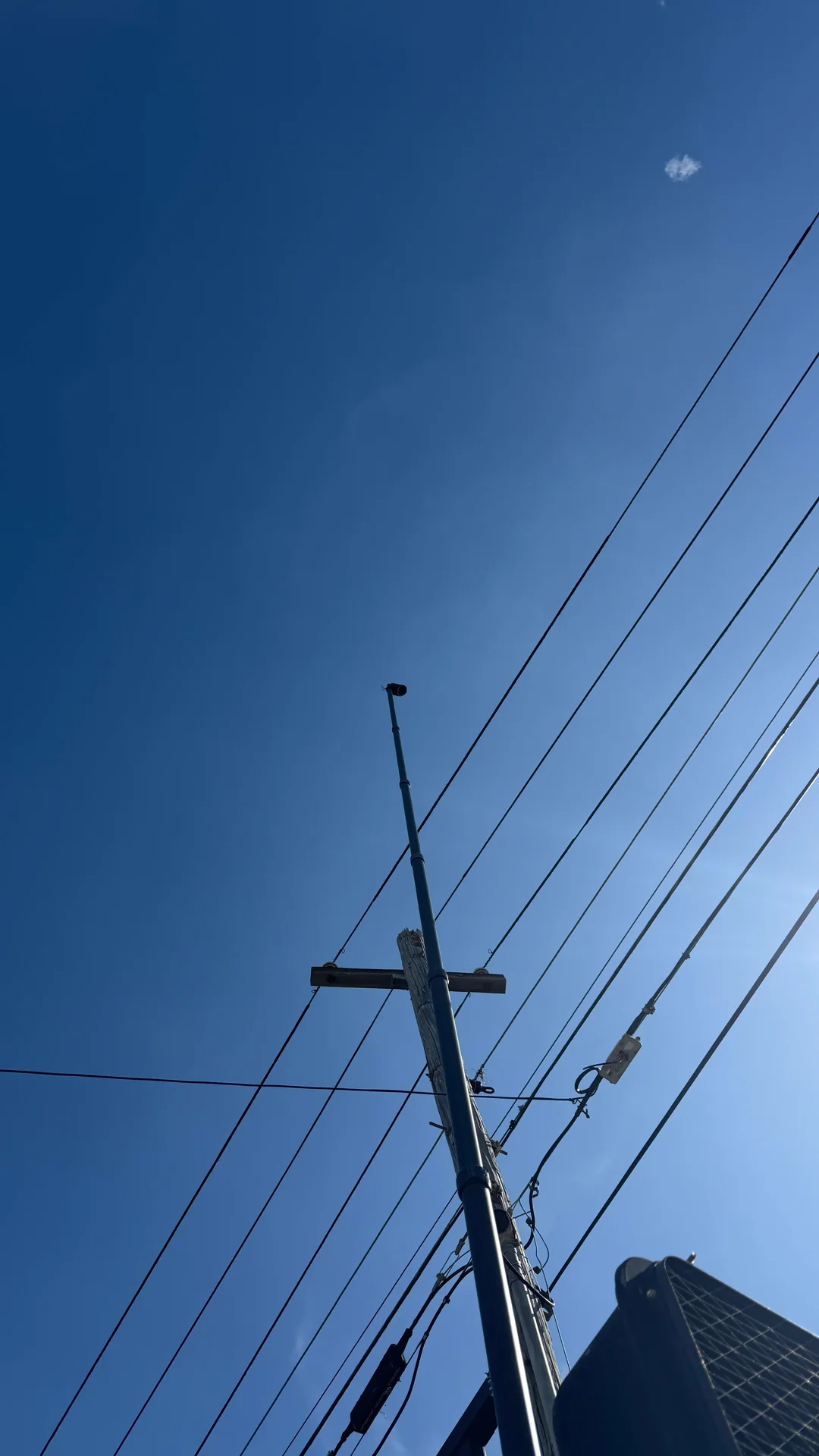
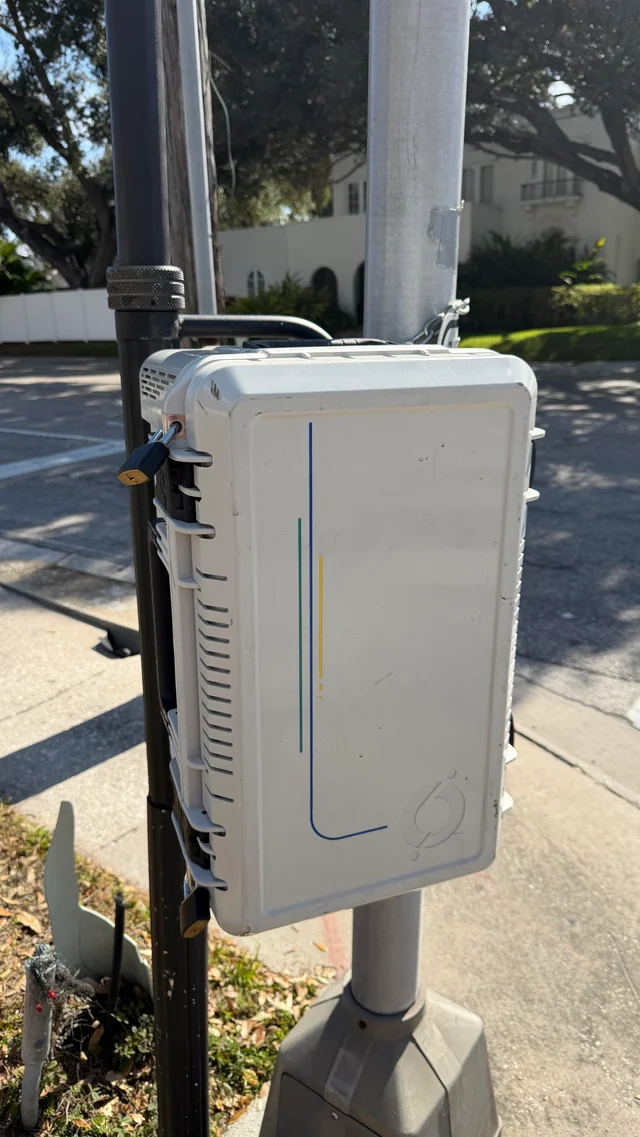
The Scout Plus consists of three main physical components. The VCU (Video Control Unit) is a weatherproof case containing the device electronics, battery bays for power, and control interface for field configuration. An extendable camera pole telescopes through seven sections to reach heights over 21 feet (6+ meters), providing clear sightlines over closer vehicles to capture accurate data in far lanes. The camera head mounts to the pole top with adjustable tilt control, positioning the lens perpendicular to traffic flow for optimal vehicle tracking.
Deployment Method
Scout Plus units mount to utility poles or street furniture using industrial ratchet straps, with the VCU positioned no higher than 6.5 feet (2 meters) from ground level for accessibility. A kickstand provides stability during installation and study periods. The system operates entirely on battery power - no external electrical connection required - with batteries housed within the VCU case. The camera pole extends through seven collar sections secured with specialty screws that prevent unauthorized lowering or adjustment. The camera itself is positioned perpendicular to traffic flow, capturing vehicle movements across lanes. With an IP55 weatherproof rating, the units withstand rain, dust, and temperature variations throughout multi-week deployments.
Field Requirements
Scout Plus deployments follow specific operational constraints to ensure data accuracy. The system can simultaneously count up to four lanes of traffic. Nighttime operation requires minimum illumination of 3 LUX at curb level - roughly equivalent to residential street lighting. Full pole extension to 21+ feet is recommended for studies monitoring multiple lanes, as the elevated position provides clearer vehicle tracking in lanes farthest from the camera. Camera orientation perpendicular to traffic flow is critical, with North-South facing preferred to minimize sun glare during East-West transit. Deployments avoid locations with frequent lane changes, U-turn areas, bus stops with stopped vehicles, parking lot interference, or overhead obstructions blocking the camera’s view of approaching traffic.
Resources: Miovision product page | Indiana DOT traffic data
Scout Plus Images